Pre and Post Natal
Simple, supportive practices to help you feel calm, safe, and connected through pregnancy, birth, and the early days with your baby.


The Nervous System of Birth
Pregnancy and birth are not only physical experiences - they are deeply nervous system experiences too. When your body senses safety, warmth, and connection, it is able to find its own natural rhythm. Understanding this connection is one of the most empowering tools you can carry with you as you prepare to welcome your baby.
Your body already knows how to labor. Hormones like oxytocin flow more freely when your nervous system feels calm and supported, helping contractions unfold with greater ease. Simple practices such as slow breathing, gentle touch, and a familiar, reassuring voice nearby are not just comforting - they genuinely help your body do what it is designed to do.
This regulation doesn’t stop once your baby arrives. The postpartum period is a powerful window for continued healing and connection, even after a birth that felt difficult or overwhelming. With patience, support, and small daily practices, your body can gradually return to a felt sense of calm.
Whatever your experience has been or will be, know this: your nervous system is capable of learning safety again and again. Healing is always possible, and every small moment of calm you find with your baby helps you both.

Healing After a Difficult Birth
A birth that felt frightening, rushed, or out of your control doesn’t erase the love you have for your baby and it doesn’t mean something is wrong with you. Sometimes the body simply needs more time and support to process an experience that felt overwhelming in the moment.
Unexpected tears, a racing heart at follow-up appointments, or feeling strangely far away while holding your baby are not signs of failure. They are simply signs that your nervous system is still working through what happened, and with the right support, it can find its way back to calm.
Gentle steps can help: slow breathing that lengthens your exhale, warm skin-to-skin time with your baby, talking with someone who truly listens, and giving yourself permission to grieve the birth you had hoped for. None of this needs to happen all at once.
If these feelings linger or feel too heavy to carry alone, reaching out to a therapist or counselor who understands birth and postpartum experiences is a sign of strength, not weakness. You deserve support, and healing, at your own pace, is always possible.

You and Your Baby: Growing Calm Together
From the moment your baby arrives, the two of you are learning regulation together. Your baby searches your face, listens to your voice, and feels the rhythm of your heartbeat. In turn, your own nervous system settles a little more with each quiet moment you share.
This exchange, sometimes called co-regulation, is simple in practice: skin-to-skin time, gentle eye contact, a soft voice, slow breaths while you hold your baby close. These small moments help both your nervous systems find safety in each other’s presence.
You don’t need to get it perfect. There will be hard days, tired days, uncertain days and that’s part of being a new parent. What matters is returning, again and again, to these small moments of connection.
Every time you soften, breathe, and reconnect with your baby, you are helping both of you grow toward greater calm, resilience, and trust…one gentle moment at a time.

Heart Coherence Techniques
Pregnancy asks your body to hold so much at once - physical changes, anticipation, and often a flood of new emotions. Heart coherence is a simple way to settle your nervous system and connect with the life growing inside you, using nothing more than your breath and attention.
Step 1. Rest one or both hands on your heart. Imagine your breath flowing gently in and out of that space, breathing a little slower and deeper than usual.
Step 2. Bring to mind a feeling of appreciation, care, or love - for yourself, for your baby, or for this season of change.
Step 3. Let that warm feeling radiate through your body, and imagine your baby receiving it too.
Even a few slow minutes of this practice, done daily or whenever you’re feeling overwhelmed, can help both you and your baby settle into a calmer rhythm.
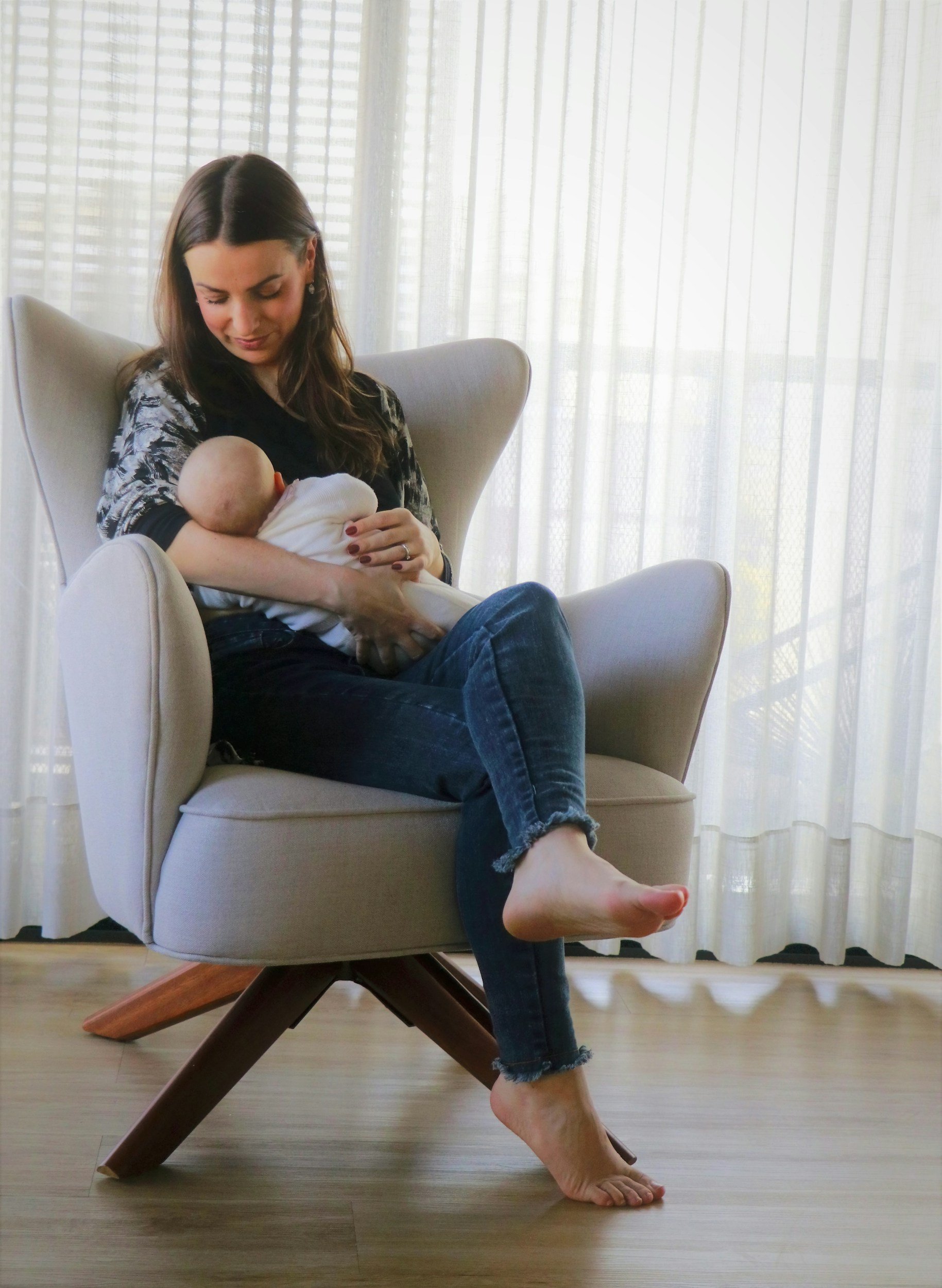
Heart Coherence While Nursing or Feeding
Feeding time - whether at the breast or with a bottle - offers a built-in pause to practice heart coherence with your baby. These quiet, close moments are a natural opportunity to regulate your own nervous system while you nourish your little one.
Step 1. As you settle in to feed your baby, bring your attention to your heart or chest. Let your breath flow a little slower and deeper than usual.
Step 2. Activate and sustain a feeling of warmth, appreciation, or love as you look at or hold your baby.
Step 3. Radiate that calm, loving feeling to yourself and to your baby throughout the feed.
Babies are highly attuned to our physiological state, so as you settle into coherence, your baby often settles too. This is a gentle way to turn feeding time into a shared moment of calm and connection.
Resources: HeartMath (see www.heartmath.com and www.heartmathinstitute.org for more on the science behind heart coherence)